The clinic always tries to save natural teeth first. When a tooth is too damaged, infected or crowded to keep, removing it can relieve pain and protect the teeth around it.
Common reasons for an extraction
- A tooth broken or decayed beyond repair.
- Severe gum disease that has loosened a tooth.
- Wisdom teeth that are stuck or causing repeated infection.
- Making space as part of orthodontic treatment.
What happens during the procedure
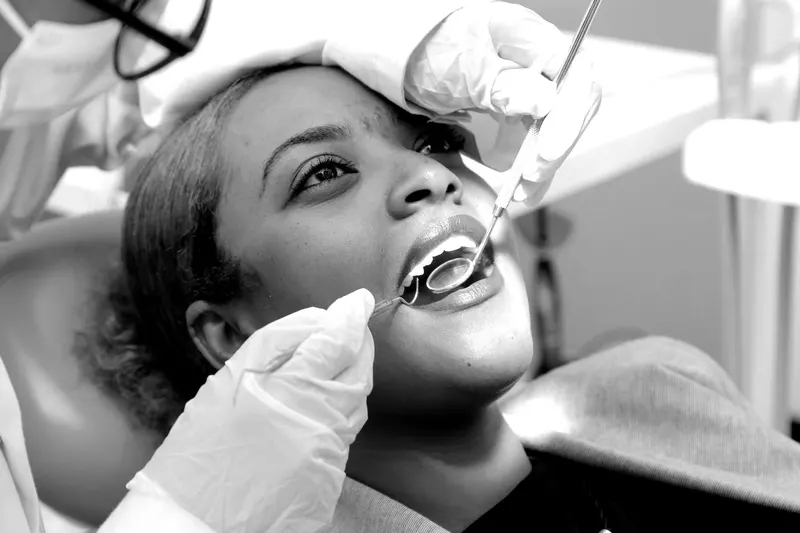
The dentist checks the tooth, usually with an X-ray, and numbs the area. You may feel pressure but should not feel sharp pain. After the tooth is removed, gauze is placed over the area to help a blood clot form.
Aftercare
- Bite gently on the gauze for the time the dentist advises.
- Do not rinse, spit forcefully, smoke or drink through a straw for the first day.
- Eat soft food and chew on the other side.
- Call the clinic if bleeding, swelling or pain gets worse after a few days.
If the gap affects your bite or smile, ask about replacing the tooth with a bridge or denture.
This page is general information, not a diagnosis. The dentist will recommend treatment after examining you.