When decay or a crack reaches the soft tissue (pulp) inside a tooth, the pulp can become inflamed or infected. Root canal treatment removes the damaged pulp, cleans the inside of the tooth and seals it, so you can keep your natural tooth instead of having it removed.
Signs you may need a root canal
- Severe or throbbing toothache, especially when chewing.
- Sensitivity to hot or cold that lingers after the food or drink is gone.
- Swelling or a small pimple-like bump on the gum near a tooth.
- A tooth that has darkened after an injury.
Sometimes there are no symptoms and the problem is found on an X-ray. Do not wait for swelling: call the clinic if you have persistent pain.
What happens during treatment
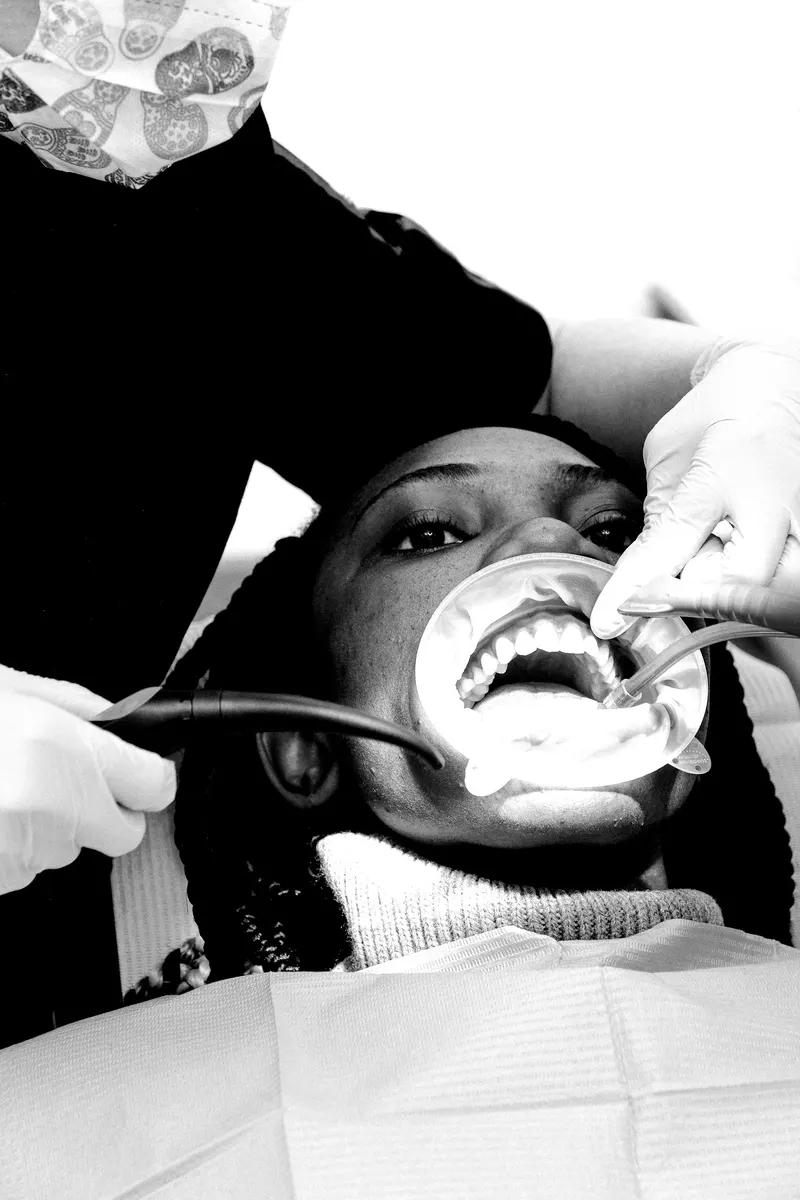
The tooth is numbed with a local anaesthetic. The dentist makes a small opening, removes the pulp, cleans and shapes the root canals, and fills and seals them. Treatment may take one or more visits depending on the tooth and the infection.
A tooth that has had root canal treatment is often more fragile, so the dentist may recommend a crown to protect it.
Aftercare
Some tenderness for a few days is normal. Avoid chewing hard food on the tooth until the final filling or crown is in place, and keep any follow-up appointments.
This page is general information, not a diagnosis. The dentist will recommend treatment after examining you.